 LexioLearn
Order Food, Shop and Ask for Directions
In this practice, you will order a coffee, ask for things in a supermarket, ask for directions, and pay. Read every phrase out loud. Out loud is important: your mouth needs practice, too.
Learn how to greet people and say your name in Spanish with two short dialogues.
Tap ▶ to hear each phrase.
We use SER to talk about names, where people are from, and who they are.
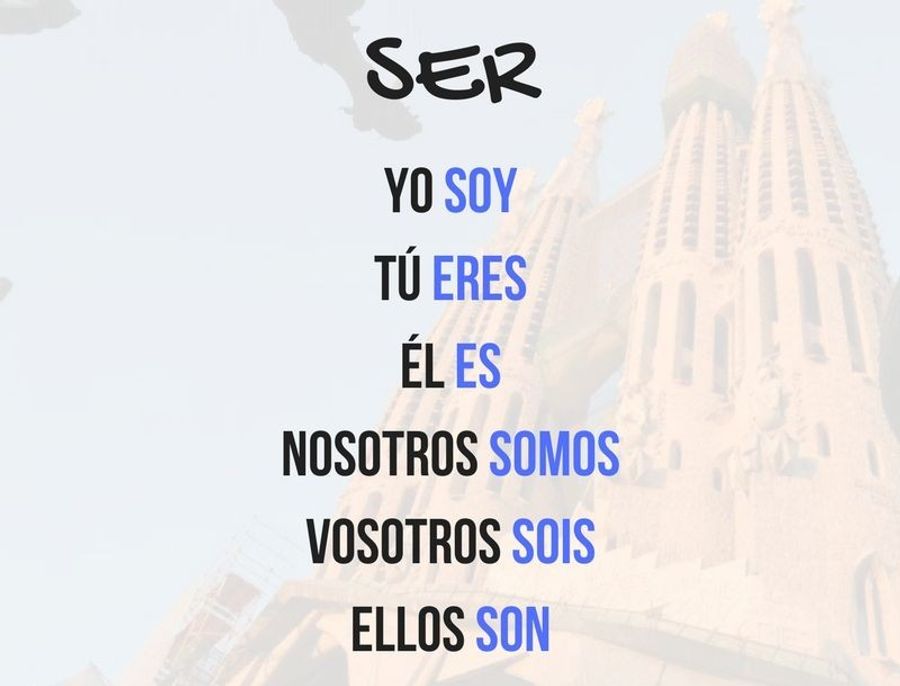
Remember: SER means “to be.” Learn the forms and practise them with simple sentences!
Punctuation is important because it helps make your writing clear and easy to understand.
1. Period (.)
Use a period at the end of a statement.
Example: I love learning Spanish.
2. Comma (,)
Use a comma to separate items in a list or to create a short pause in a sentence.
Example: I like apples, bananas, and oranges.
3. Question Mark (?)
Use a question mark at the end of a direct question.
Example: What is your name?
4. Exclamation Mark (!)
Use an exclamation mark to express strong emotions, excitement, surprise, or enthusiasm.
Examples:
What a beautiful day!
That's amazing!
Watch out!
5. Colon (:)
Use a colon to introduce a list, an explanation, or an example.
Example: I need three things: a pen, a notebook, and a pencil.
6. Apostrophe (')
Use an apostrophe to show possession or to form contractions.
Examples:
This is Maria's book.
I'm happy. (= I am happy.)
Helpful Tip: Don't use too many exclamation marks in formal writing. One is usually enough to express excitement. Always check your punctuation to make sure your message is clear and easy to read!
In this practice, you will order a coffee, ask for things in a supermarket, ask for directions, and pay. Read every phrase out loud. Out loud is important: your mouth needs practice, too.

Learn the Spanish alphabet from A to Z. Meet every letter, hear how it sounds and start spelling your name and everyday words with confidence.
One short email with fresh words, phrases and free PDFs. No spam, unsubscribe anytime.