 LexioLearn

50 Spanish Phrases You’ll Actually Use Every Day
Learn 50 useful Spanish phrases for greetings, questions, shopping, eating out, and daily conversations, with English translations.
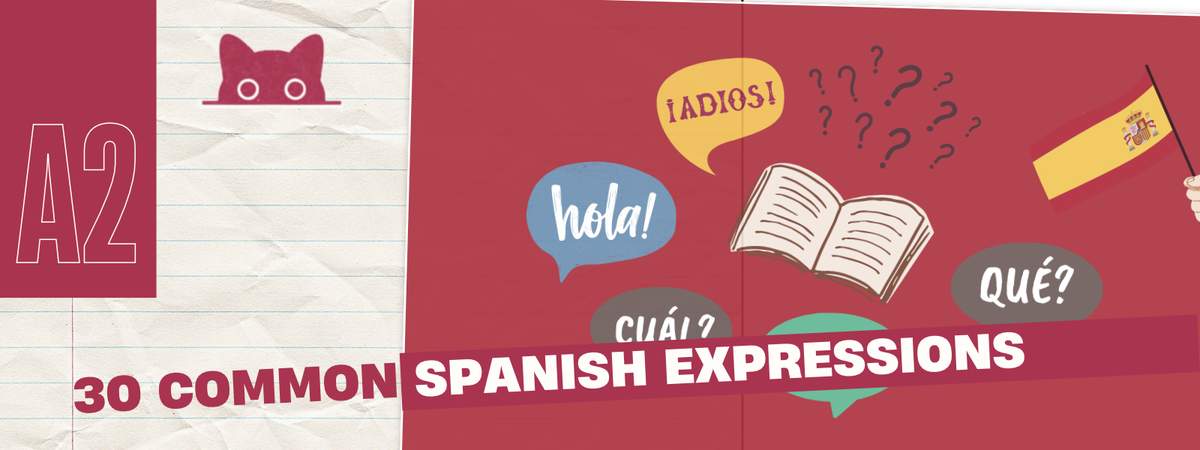
Learn 30 common Spanish expressions native speakers use every day, with English meanings, examples, and notes on Spain and Latin America.
Learning Spanish is not only about vocabulary and grammar rules. To understand everyday conversations, you also need the expressions native speakers use with friends, family, and colleagues.
Some Spanish phrases don’t mean what the words say. Others are simply shorter, more natural ways to answer someone.
Here are 30 common Spanish expressions that will help you understand conversations and sound more natural.
These short expressions work in many different situations.
Example:
A: ¿Quieres tomar un café?
B: ¡Claro que sí!
A: Do you want to have a coffee? / B: Of course!
Spanish speakers often react to news with short expressions.
Example:
A: ¡He conseguido un trabajo nuevo!
B: ¡Qué bien! ¡Me alegro mucho!
A: I got a new job! / B: That’s great! I’m so happy for you!
These phrases help you share your opinion and answer naturally.
A man says seguro, a woman says segura. Many Spanish words change like this: o for masculine, a for feminine.
These informal phrases are useful in relaxed conversations. Several are more common in Spain than in Latin America.
Example:
A: ¿Te apetece ir al cine?
B: ¡Claro! Tengo muchas ganas de ver esa película.
A: Do you feel like going to the cinema? / B: Of course! I really want to see that movie.
Spanish is spoken in many countries, so everyday expressions change from place to place. A few examples:
You don’t need to memorise every regional version at once. Start with the expressions you hear most often.
The best way to learn conversational Spanish is to practise expressions in complete sentences, not as single translations.
For example, instead of only remembering No pasa nada, practise: No pasa nada, podemos hacerlo mañana. — It’s okay, we can do it tomorrow.
These expressions will help you understand everyday Spanish and answer with more confidence.
Books, series breakdowns, and memes for language learners. Materials are shared with permission or link to authorised sources.
Learn 50 useful Spanish phrases for greetings, questions, shopping, eating out, and daily conversations, with English translations.
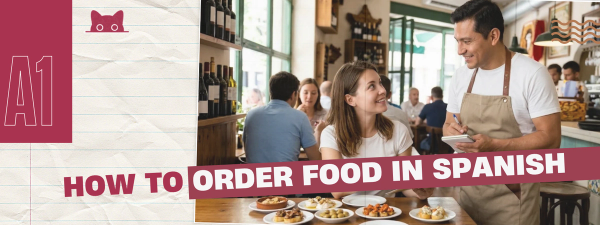
Learn useful Spanish phrases for ordering food, asking about ingredients, and paying the bill, with real-life restaurant dialogues.

Learn 40 essential Spanish words and phrases for the supermarket, with English meanings, shopping expressions, and a simple dialogue.
One short email with fresh words, phrases and free PDFs. No spam, unsubscribe anytime.