 LexioLearn

How to Order Food in Spanish
Learn useful Spanish phrases for ordering food, asking about ingredients, and paying the bill, with real-life restaurant dialogues.
Learn 50 useful Spanish phrases for greetings, questions, shopping, eating out, and daily conversations, with English translations.
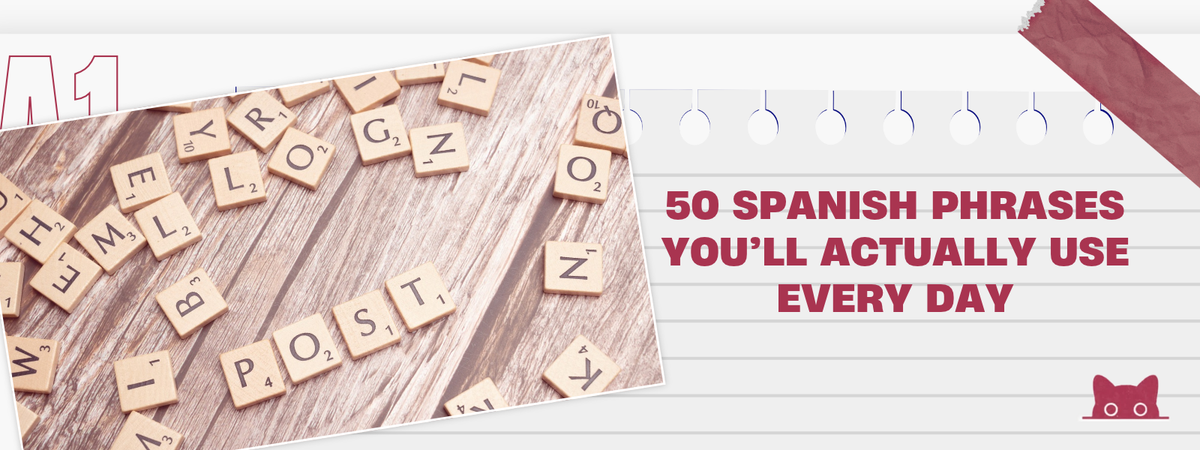
Learning Spanish gets much easier when you know the phrases people use in everyday conversations. You don’t need complicated grammar or hundreds of new words to start communicating. A few useful expressions can help you greet people, ask questions, order food, and talk about your day.
Whether you are a beginner or want to improve your conversational Spanish, these 50 everyday phrases are a great place to start.
Start with simple greetings. They are useful when you meet someone, start a conversation, or say goodbye.
Example:
A: ¡Hola! ¿Cómo estás?
B: Muy bien, gracias. ¿Y tú?
A: ¡Muy bien!
These questions keep a conversation going and help you understand what other people say.
These questions use tú, the informal “you”. With strangers or shop staff, use usted: ¿Puede ayudarme? or ¿Me puede ayudar?
Sometimes a short expression is all you need to answer naturally.
Spanish speakers often use tener (to have) for feelings and physical needs. For example, tengo hambre literally means “I have hunger”.
Whether you visit Spain or shop in a Spanish-speaking country, these phrases make daily situations easier.
These phrases are useful when you talk to friends, family, or colleagues.
Learning 50 phrases at once can feel like a lot. Don’t try to memorise everything in one day. Choose five phrases and use them in real situations.
Try these simple methods:
You can also practise by describing your day. Start with simple sentences such as Me levanto temprano (I get up early) or Voy al trabajo (I go to work).
You don’t need to know every Spanish grammar rule to have a conversation. Start with these 50 useful phrases, practise them regularly, and slowly add new ones.
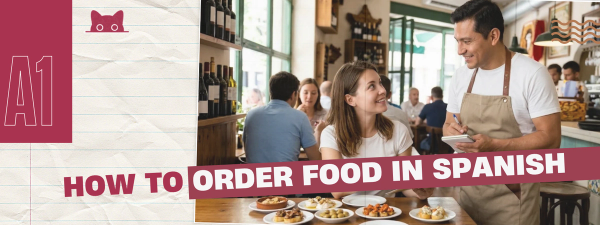
Learn useful Spanish phrases for ordering food, asking about ingredients, and paying the bill, with real-life restaurant dialogues.

Learn 40 essential Spanish words and phrases for the supermarket, with English meanings, shopping expressions, and a simple dialogue.

Learn 40 useful Spanish sentences to talk about your daily routine, with English translations, time expressions, and a short example text.
One short email with fresh words, phrases and free PDFs. No spam, unsubscribe anytime.